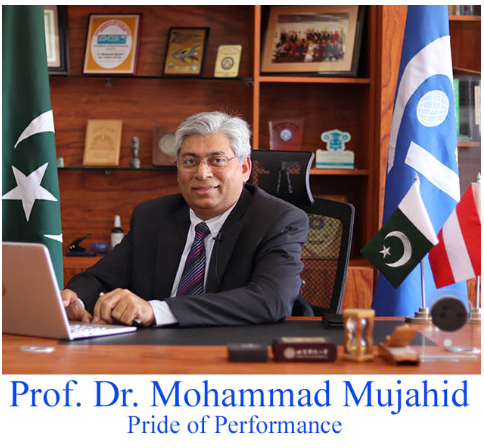
Being one of the pioneer members of the project team, I must say that inception of Pak-Austria Fachhochschule Institute of Applied Sciences and Technology is like a dream come true. I take immense pride in being appointed as the first Rector of the Institute.
Today, knowledge along with skill is the key difference between developed and underdeveloped economies. Pakistan lacks in adequately trained and skilled work force in production sector, keeping it behind others. To become a developed economy, it is imperative for the nation to invest in and leverage its engineering sector. The existing engineering and technology curricula do not adequately cater to the needs of our industry mainly due to the lack of practical skills of graduates. Being cognizant of the fact, PAF-IAST is all set to change this rut through a conscious effort by tying practical skills and industry engagement to its Bachelor and Master degree programs.
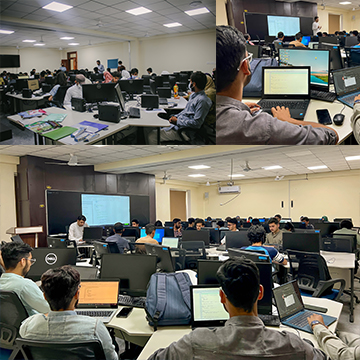
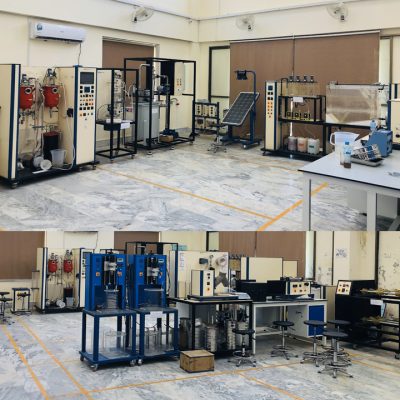
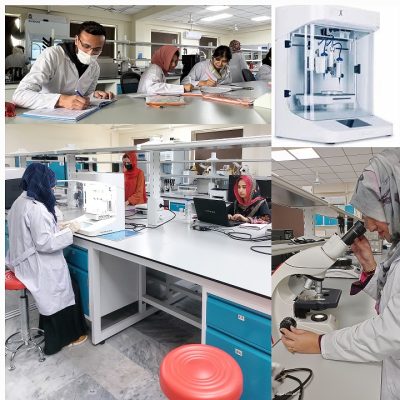
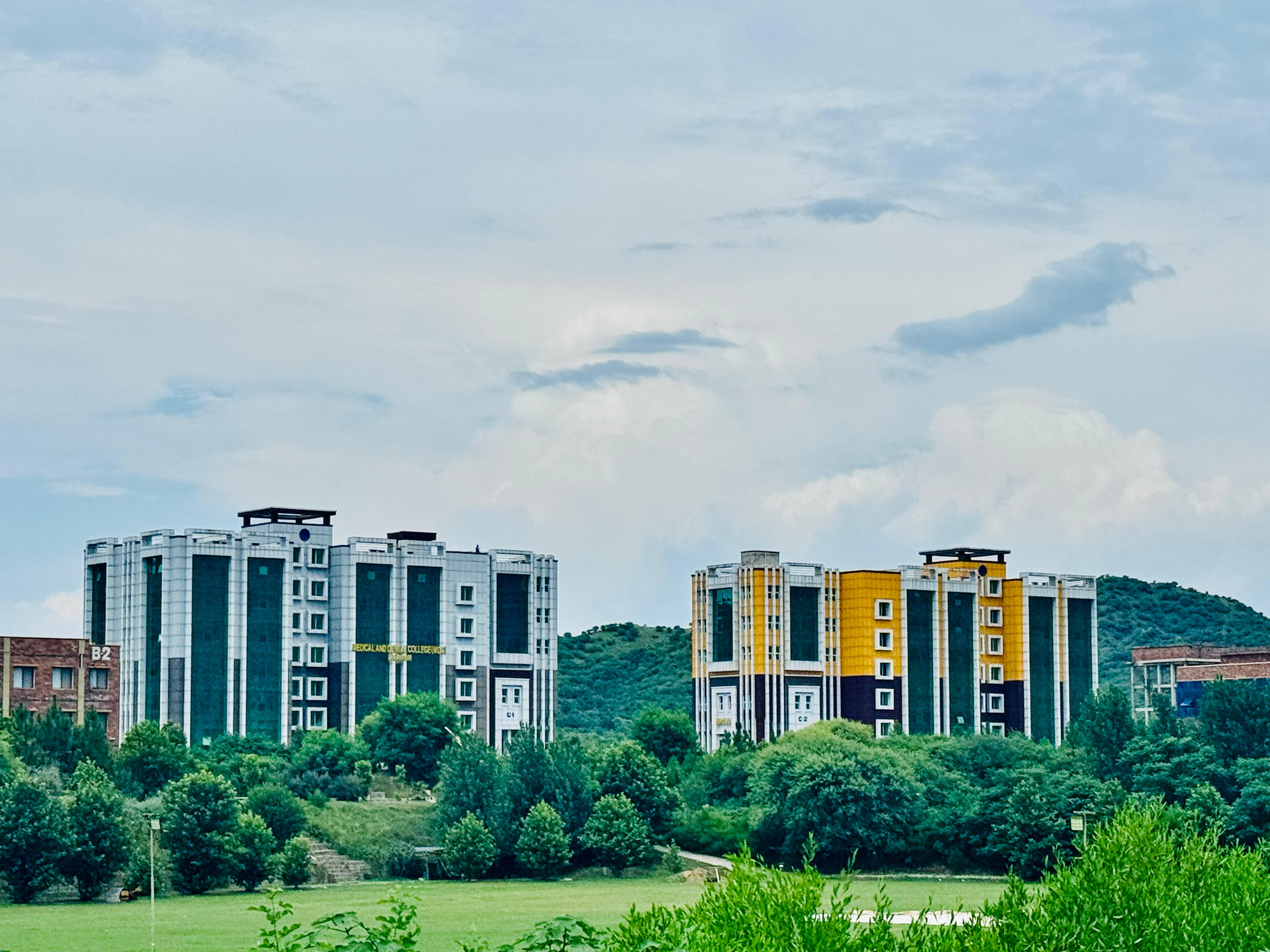
A purpose-built campus, with state-of-the-art facilities for interactive learning through smart classrooms and advanced laboratory equipment has been established at Mang, Haripur.
Read MoreTo strive and achieve the goals of effective higher education in engineering, science, and technology.
To pave the way through success and to promote the hi-tech industries in Pakistan.
To establish an integrated Technology Park comprising Business Incubation Center.
To engage world-class faculty, highly qualified and well-versed in applied research.
Pak-Austria Fachhochschule: Institute of Applied Sciences & Technology (PAF IAST) is our collaborative venture with select Austrian and Chinese Universities.
The Pak-Austria Fachhochschule: Institute of Applied Sciences and Technology (PAF IAST) is unique in its concept, approach, and methodology. The project concept stems from the slogan “Skilling Pakistan” and envisages creating highly credible technical education infrastructure both at tertiary and hi-tech industry levels. With this twin-aim concept, the project is a quantum leap forward in the fast burgeoning knowledge-based economy, far beyond a mere educational program.
Fulfillment of this novel concept, however, will remain an elusive dream without creating a critical mass of high-quality engineers and a hi-tech industry base. The whole spectrum of hi-tech industrial base in the country, therefore, needs to grow fast to develop an industrial infrastructure capable of supporting the progress of a diverse array of growing industrial companies.
From this perspective, this unprecedented initiative in Pakistan supported by several universities based in Austria and China for awarding degrees to our students assumes enormous importance of its kind.